
Last updated: November 2026.
Tokyo is full of "cultural experiences," and they are not all the same. Some put you in a real tearoom, a working Zen temple, or a sumo hall with people who have spent years inside that tradition. Others are photo stops with a costume. This guide explains how to tell the difference, then walks through each type of authentic Japanese cultural experience you can book in Tokyo, with side trips to Kanazawa and Osaka: what happens, how long it takes, what it costs, and how to choose.
All prices below are per person, from the live listings of Alva Japan Tours, and were checked in November 2026.
What makes a cultural experience authentic?
No experience for visitors is exactly what locals do every day. But you can look for four things:
The place is real. A tearoom inside a tea-utensil shop, a temple where monks practice, a sumo venue in Ryogoku, a local go salon. Not a rented event room dressed up for tourists.
The person leading it belongs to the tradition. A Buddhist monk, former professional sumo wrestlers, a calligrapher with a doctorate in the field, confectionery staff at a long-running shop.
You do something, not just watch. Whisk your own matcha, sit zazen, practice sumo footwork, make your own piece.
The listing is specific. It tells you the venue, the duration, and exactly what is included and not included. Vague listings usually mean a vague experience.
Quick comparison
Sumo show and workshop: Time: 2 hours. Price from (per person): ¥13,000. Where: Ryogoku, Tokyo.
Tea ceremony: Time: 1 hour. Price from (per person): ¥11,000. Where: Asakusa or Shinjuku, Tokyo.
Zen meditation with a monk: Time: 1.5 hours. Price from (per person): ¥16,000 (Tokyo), ¥5,500 (Osaka). Where: Fukagawa, Tokyo / Tennoji, Osaka.
Calligraphy: Time: 1 to 2 hours. Price from (per person): ¥10,000. Where: Roppongi, Tokyo / Kanazawa.
Craft workshops: Time: 30 min to 1.5 hours. Price from (per person): ¥5,300. Where: Tokyo / Kanazawa.
Food and drink: Time: 1 to 2 hours. Price from (per person): ¥7,000. Where: Tsukiji, Asakusa, Shinjuku.
Sento (public bath): Time: 1 hour. Price from (per person): ¥7,000. Where: Kagurazaka, Tokyo.
Sumo
Sumo is Japan's national style of wrestling, with rituals that go back centuries. Grand Sumo tournaments are held in Tokyo only in January, May, and September, so most visitors need another way to see it.
What to expect: At the Ryogoku Sumo Show & Workshop with Chanko Lunch, former professional sumo wrestlers demonstrate real bouts up close while a host explains the rules, training, and traditions. You then practice basic movements such as shiko (the high leg stomp) and suri-ashi (sliding footwork), can try an optional friendly challenge, take photos with the wrestlers, and eat chanko, the hot pot wrestlers eat to build strength. It is 2 hours, from ¥13,000 (children 2 to 5: ¥9,000), and rated 4.9 by 509 guests as of November 2026. It is an exhibition, not an official tournament, and it runs year-round.
For something closer to daily life in the sumo world, the Private Sumo Morning Practice & Ring Experience takes your group to watch a morning training session in Ryogoku with a guide: ¥38,000 per person to watch (1.5 hours), or ¥52,000 with a ring experience (2 hours).
Price range: ¥13,000 to ¥52,000.
Read more: the complete guide to sumo in Tokyo, how to buy sumo tickets, the Ryogoku Kokugikan guide, watching sumo morning practice, and how to watch sumo when there is no tournament.
Tea ceremony
The Japanese tea ceremony, called chado or "the Way of Tea," is a set form for preparing and serving matcha (powdered green tea) to guests, with every movement carried out in a fixed order.
What to expect: You enter a tearoom, watch the host prepare tea, eat a seasonal wagashi (a traditional Japanese sweet made to match the season) and drink matcha, then whisk a bowl yourself.
Private Tea Ceremony in Asakusa with Matcha & Wagashi: 1 hour, from ¥11,000 (children 4 to 11: ¥9,000). Held in the tearoom of Chadogu Kaki Kakinuma, a tea-utensil shop. You purify your hands at the tsukubai (a low stone water basin) and enter through the nijiriguchi, the small crawl-through door of a traditional tearoom.
Private Urasenke Tea Ceremony with Matcha & Wagashi: 1 hour, from ¥14,000, in Shinjuku, rated 4.8 by 23 guests. Urasenke is a long-established school of tea ceremony. The instructor's listed qualifications include Urasenke Jun-Kyoju and a master's degree in traditional arts.
Kimono rental is not included in either session.
Price range: ¥11,000 to ¥14,000 for a one-hour session.
Zen meditation
Zazen is seated meditation, the core practice of Zen Buddhism. At a temple, a monk explains the posture and breathing, then you sit in silence.
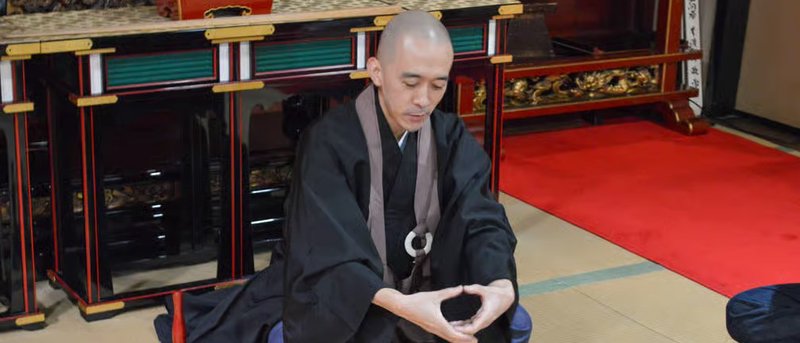
What to expect: The Private Zen Meditation with a Monk & Matcha in Tokyo takes place at Yougakuji, a Rinzai Zen temple in Fukagawa. A monk leads a short introductory sitting and a main zazen session, followed by questions, matcha, and a sweet. It is 1.5 hours, from ¥16,000.
In Osaka, the Private Zen Meditation at an Osaka Temple with a Monk at Tenshoji in Tennoji is led by a resident Rinzai Zen monk: two 20-minute zazen sessions and a discussion, 1.5 hours, from ¥5,500. Chair meditation is available on request.
Price range: ¥5,500 (Osaka) to ¥16,000 (Tokyo).
Calligraphy
Shodo, Japanese calligraphy, is the art of writing characters with a brush and ink, where the balance and energy of each stroke matter as much as the word.
What to expect: At Ancient Script Japanese Calligraphy with a PhD Calligrapher in Tokyo, you learn from Fugaku Watanabe, who holds a PhD in calligraphy studies, at his studio in Roppongi. You practice with brush and ink, get individual feedback, and take home a finished piece on a shikishi board (a square art card) or an uchiwa fan. 1 hour, from ¥10,000 (children 3 to 11: ¥8,000).
In Kanazawa, Kanazawa: Ninja Temple & Bamboo Brush Calligraphy Experience pairs writing with a handmade bamboo brush and a visit to Myoryuji, the temple nicknamed the "Ninja Temple" for its hidden passages: 2 hours, from ¥15,000.
Combine Zen, tea, and calligraphy
If you want depth in one day, the Half-Day Zen Meditation with a Monk & Calligraphy (3.5 hours, from ¥31,000) and the Full-Day Zen Meditation, Tea Ceremony & Calligraphy Retreat (8 hours, from ¥60,000) link these practices with an English-speaking guide.
Traditional crafts
Craft workshops let you make something by hand with a technique that is still used in Japan today, and take it home.
Chopstick Making Workshop at Shibuya Scramble Square: 1 hour, from ¥7,500, at the chopstick shop Hyozaemon. You get sizing advice and a grip lesson, then personalize your own pair. Rated 5.0 by 38 guests.
Kintsugi Jewelry Making Workshop in Shibuya: 1.5 hours, from ¥9,000. Kintsugi is the Japanese practice of repairing broken pottery so the cracks are highlighted in gold. Here you use pieces of ceramic or glass, putty, and gold-colored finishing to make one accessory.
Mini Food Replica Rice Bowl Workshop in Kappabashi: 1 hour, from ¥5,500 plus materials (from ¥2,200). You build a miniature version of the plastic food displays seen outside Japanese restaurants. Rated 5.0 by 11 guests. Minimum age 9.
In Kanazawa: the Kanazawa Gold Leaf Workshop at a Maker Founded in 1898 (30 minutes, from ¥5,800, at Imai Kinpaku) and Kaga Wind Chime Painting in a Century-Old Kanazawa Machiya (1.5 hours, from ¥5,300).
Price range: About ¥5,300 to ¥9,000.
Food and drink
Food is the easiest way into Japanese culture, and the most authentic food experiences take you where locals actually shop and eat.
Tsukiji Outer Market Food Tour with 5 Tastings: 1 hour, from ¥7,000, in a group of up to 8. Tastings include a wagyu skewer, tamagoyaki (rolled omelet), Japanese tea, and dashi, the soup stock behind much of Japanese cooking. Rated 4.7 by 19 guests.
Private Sushi Making Class with Tempura near Asakusa: 1.5 hours, from ¥11,000, inside a working sushi restaurant. You make seven pieces of nigiri, with tempura and one drink. Minimum 4 participants.
Shinjuku Sake Tasting & Japanese Food Pairing Dinner: 2 hours, from ¥13,500. A guided tasting of four sakes with a Japanese course meal. Rated 5.0 by 37 guests.
In Kanazawa: Traditional Wagashi Making Experience near Higashi Chaya, about 1 hour, from ¥5,800, making four seasonal sweets with confectionery staff at Koshiyama Kanseido.
Everyday traditions
Some of the most authentic experiences are the ones locals still do every week.
Tattoo-Friendly Local Sento Experience: 1 hour, from ¥7,000. A sento is a neighborhood public bath. A guide explains the bathing etiquette, then you bathe at Atami-yu in Kagurazaka. Rated 5.0 by 17 guests.
Beginner Go Lesson at a Local Go Salon in Shinjuku: 1 hour, from ¥7,000. Go is a strategy board game played with black and white stones. You learn the rules and play a short guided game at a working salon.
Private Asakusa & Senso-ji Old Town Walking Tour: 75 minutes, from ¥7,000, rated 4.9 by 14 guests.
How to choose
Short on time: A one-hour tea ceremony, chopstick workshop, sento visit, or Tsukiji food tour fits between sightseeing stops.
On a budget: Most one-hour experiences start between ¥5,500 and ¥7,500. Check what is included; the food replica workshop, for example, charges materials separately.
Traveling with kids: The sumo show has a child price for ages 2 to 5 and is popular with families. The chopstick workshop accepts ages 3 and up. Check minimum ages: 9 for the food replica workshop, and preschool children cannot enter Myoryuji in Kanazawa.
Private or group: Choose a private session (tea ceremony, Zen meditation, sushi class) if you want to ask questions freely or travel as a family. Group sessions such as the sumo show cost less and have more atmosphere.
Want depth: Pick one tradition and go deeper, such as the half-day or full-day Zen programs, rather than five quick photo stops.
Etiquette basics
Shoes: Expect to take them off in tearooms, temple halls, and anywhere with tatami mats. Wear socks and shoes that slip off easily.
Temples and shrines: Rinse your hands at the water basin before approaching the main hall. At temples, pray silently without clapping.
Tea ceremony: Follow the host's lead, eat the sweet before the tea, and remove rings and watches that could scratch the bowl.
Public baths: Wash before you get in, keep your towel out of the water, and tie up long hair. Swimsuits are not allowed, and photos are prohibited in bathing areas.
Sumo practice: Stay quiet and do not use flash. Our morning practice guide covers the rules in detail.
Frequently asked questions
Do I need to speak Japanese?
No. All the experiences above are offered with English support, either from the host or an English-speaking guide or interpreter.
Can I wear a kimono for the tea ceremony?
Kimono rental is not included in the tea ceremonies listed here. You can wear smart casual clothes, ideally a skirt or trousers that are comfortable for sitting on the floor.