About this activity
- Duration
- 1 hour
- Areas Visited
- Tokyo
- Languages
- Japanese, English
- Group size
- 1–8 participants
- Confirmation
- Instant Confirmation
- Free Cancellation
- Cancel up to 24 hours before the activity for a full refund.
Accessibility and additional details
- Difficulty Level
- Easy
- Required Fitness Level
- Low — Suitable for all ages
- Wheelchair Accessible
- Yes
- Stroller Accessible
- Yes
- Near Public Transport
- Yes
Highlights
- Walk beneath Chidorigafuchi’s cherry trees beside the Imperial Palace moat
- Choose a daytime or evening departure for two different spring atmospheres
- Learn about Japanese hanami culture, sakura symbolism, and local etiquette
- Discover scenic angles for blossoms, water reflections, boats, and stone walls
- Enjoy a relaxed small-group walk with casual photo support from your guide
Description
See one of Tokyo’s most recognizable spring landscapes on a guided walk beside the Imperial Palace moat.
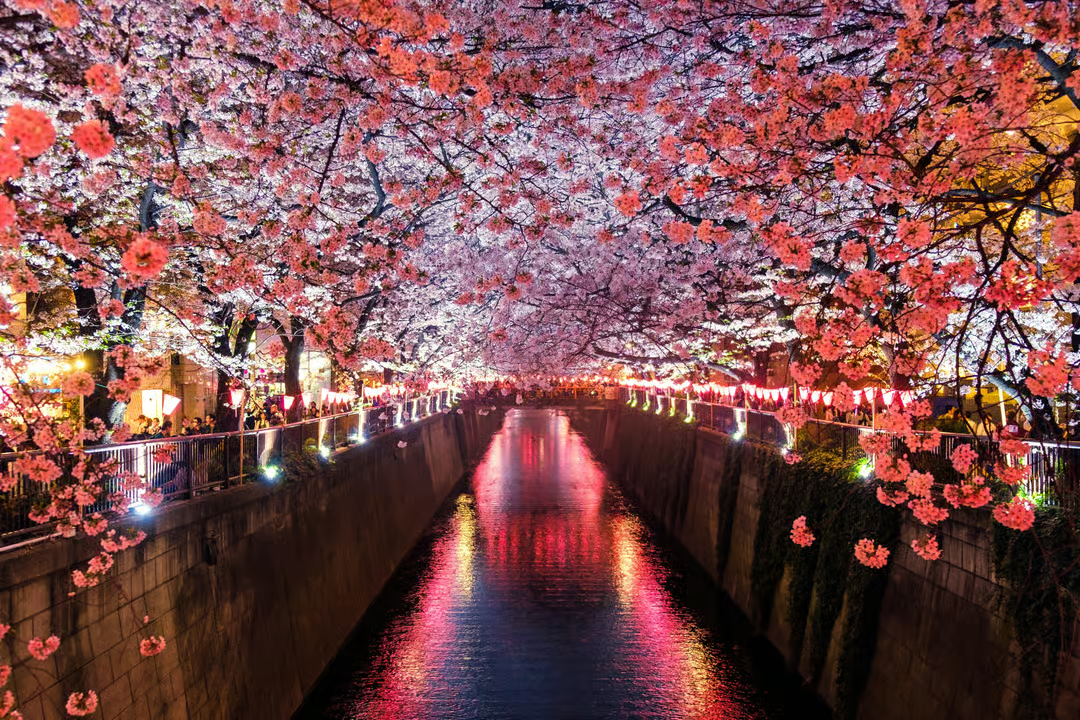
Chidorigafuchi is known for cherry branches spreading over the water, stone embankments, small boats below, and a continuous line of blossoms along the walking path.
Choose a daytime or evening departure and experience how the same landscape changes with the light, crowds, reflections, and atmosphere.
Begin near Kudanshita Station
Meet your guide outside Exit 2 of Kudanshita Station.
Before entering the main blossom promenade, receive a short introduction to the route, current flowering conditions, crowd levels, and the differences between the daytime and evening experiences.
Because the scenery changes from day to day, your guide will adjust the walking pace and viewing stops according to the blossoms and local conditions.
See sakura above the Imperial Palace moat
Walk toward Chidorigafuchi and see cherry branches extending over the sloping banks and water below.
Unlike a flat park or riverside row of trees, the moat creates several layers within the view: blossoms in the foreground, water below, stone walls and greenery beyond, and the modern Tokyo skyline in the distance.
Your guide will point out angles where these elements come together and explain how the appearance changes according to the light and wind.
Choose the daytime experience
During the day, natural light makes it easier to see the color and shape of the blossoms, the stone embankments, and reflections on the water.
Daytime departures are well suited to families, travelers who want clearer photographs, and guests who prefer to see the wider landscape around the Imperial Palace moat.
Depending on the weather, the blossoms may appear pale white, soft pink, or almost translucent against the sky.
Or experience the evening atmosphere
Evening departures offer a different mood as daylight fades and Tokyo’s city lights begin to appear.
During the official illumination period, sections of the cherry blossom route may be lit after dark. The blossoms, dark water, passing boats, and reflected light can create a more dramatic atmosphere.
Illumination is seasonal and depends on the dates and operating decisions announced for that year. An evening booking does not guarantee that the official lighting will be operating.
Learn what hanami means in Japan
As you walk, learn how people in Japan enjoy hanami and why the short flowering period has become such an important symbol of spring.
Your guide will also explain practical etiquette for moving through a crowded blossom area, stopping for photographs, respecting other visitors, and enjoying the scenery without blocking the path.
The experience focuses on observing and walking rather than holding a picnic.
Find better viewpoints in a busy area
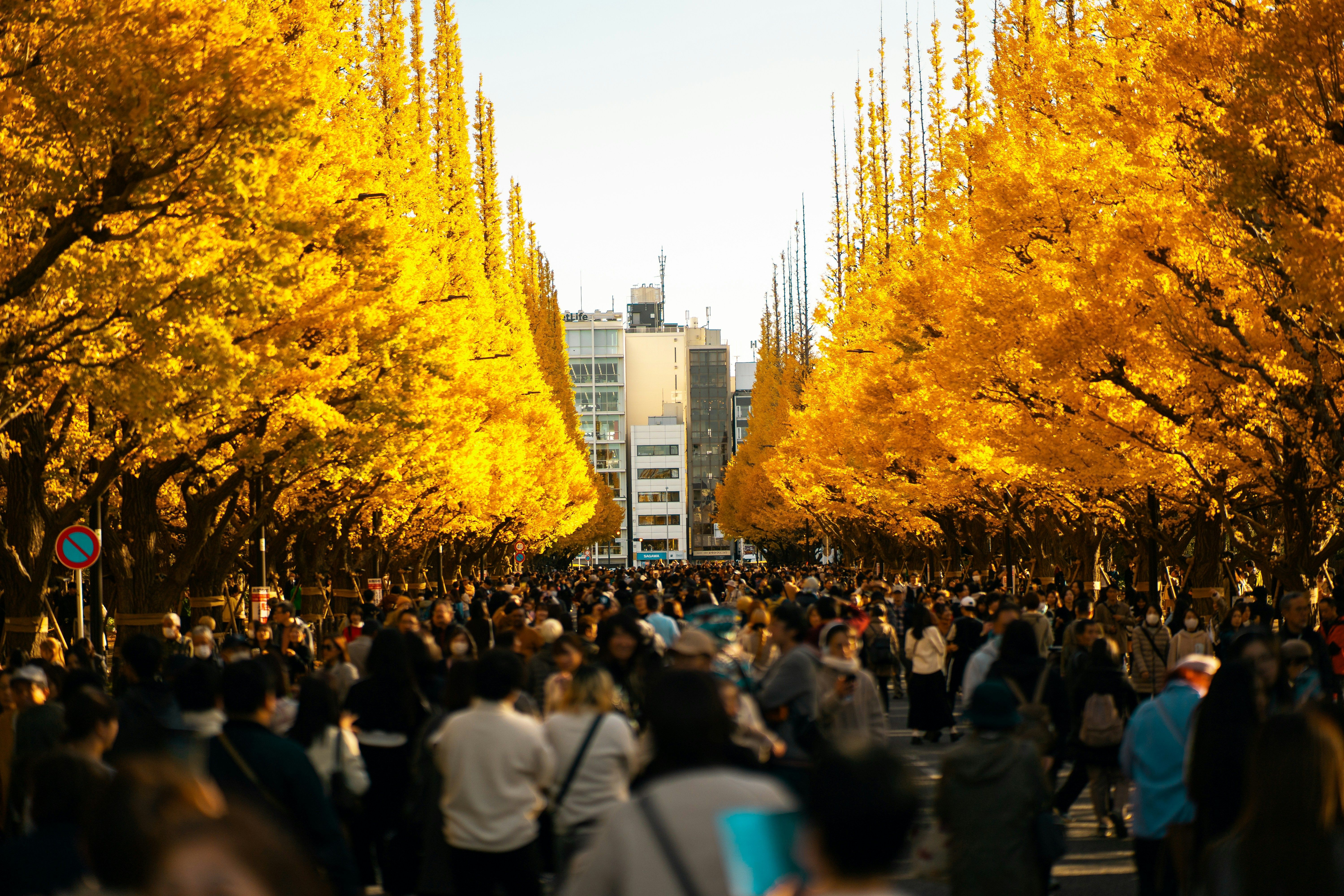
Chidorigafuchi can become extremely crowded during peak bloom.
Instead of stopping wherever the largest group has gathered, your guide will help you identify different angles, backgrounds, and moments when the flow of pedestrians creates space for a photograph.
You will receive simple composition tips for photographing the blossoms, moat, reflections, boats, and the people traveling with you using your own smartphone or camera.
This is not a professional photoshoot, but your guide can assist with casual group and family photos.
Continue exploring after the walk
The tour finishes near the opposite end of the blossom promenade. The exact finishing point may change according to one-way pedestrian controls and crowd conditions.
After the tour, continue walking independently, return toward Kudanshita, visit the surrounding Imperial Palace area, or ask your guide for nearby restaurant and bar recommendations.
Included
What's Included
- English- or Japanese-speaking local guide
- Walk along Chidorigafuchi Green Way
- Explanations of Japanese hanami culture and etiquette
- Basic photography and composition tips
- Casual photo assistance using your own smartphone or camera
- Nearby sightseeing, restaurant, and bar recommendations
What's Not Included
- Food and drinks
- Transportation to and from the meeting point
- Hotel pickup and drop-off
- Boat rental
- Priority access or boat reservations
- Professional photography service
- Personal expenses
- Gratuities
Meeting Point
Meet Your Guide at Kudanshita Station
Kudanshita Station, 1-chōme-13-19 Kudankita, Chiyoda City, Tokyo 102-0073, Japan
Meet your local guide outside Exit 2. Hear about the current blossom conditions, expected crowds, and the route selected for your daytime or evening walk.
Itinerary
- Visit 35min
Walk Beneath the Sakura Beside the Moat
Follow the blossom-lined path and stop at selected viewpoints. See cherry branches above the water, boats below, stone embankments, and changing reflections while learning about hanami culture and photography.
Important Information
- Cherry blossom timing and flower volume cannot be guaranteed.
- Evening illumination is available only during officially announced dates and is not guaranteed with every evening departure.
- This tour includes approximately 1.5–2 kilometers of walking and up to one hour of standing.
- The area can be extremely crowded during peak bloom, weekends, and evenings.
- One-way pedestrian controls or route changes may be introduced during busy periods.
- Comfortable walking shoes are recommended.
Pricing
Prices by participant and group size
| Participant | All group sizes | 1-8 |
|---|---|---|
| Adults (Ages 8-99) | ¥4,000 | - |
| Children (Ages 2-7) | ¥3,500 | ¥3,500 |
| Infants (Ages 0-1) | ¥0 | - |
Price is charged per participant. The total is calculated by multiplying the unit price by the number of participants.
Free Cancellation
Cancel up to 24 hours before the activity for a full refund.
Cancellation Timeline
Reviews
Questions & Answers
No questions yet. Be the first to ask!