
Last updated: November 2026.
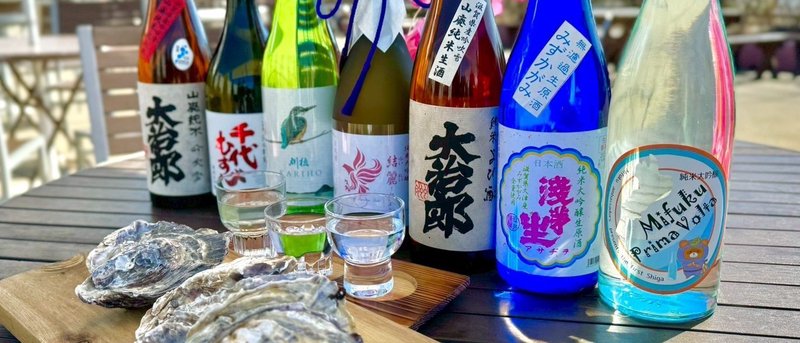
Sake can feel hard to approach in Tokyo. Menus are often only in Japanese, and labels are full of unfamiliar words. A sake tour in Tokyo makes this easier: you taste several styles side by side, with someone beside you to explain what is in your glass. This guide covers the sake basics you need, where to drink sake in and around Tokyo on your own, and what the sake experiences of Alva Japan Tours include.
Sake basics before your first glass
In Japan, sake is usually called nihonshu, the Japanese word for this rice drink. According to the Japan Sake and Shochu Makers Association, the national industry body, sake is brewed, not distilled, and is made from rice, water, and koji. Koji is steamed rice grown with a mold that turns the rice starch into sugar, so yeast can ferment it.
The main types of sake
Many bottles carry a "special designation." Breweries can use one only if the sake meets the rules. The two big groups are:
Junmai: Made only from rice and koji, with no added alcohol. Junmai has no minimum polishing rate. Junmai ginjo uses rice polished to 60% or less, and junmai daiginjo to 50% or less.
Non-junmai: a small amount of brewer's alcohol is added, capped at under 10% of the weight of the polished rice. Honjozo uses rice polished to 70% or less, ginjo to 60% or less, and daiginjo to 50% or less.
Ginjo and daiginjo sakes are fermented at low temperatures and are known for a fruity aroma. A "60%" polishing rate means 40% of each grain was polished away. More polishing generally gives a lighter, smoother sake. Less polishing tends to give a richer one.
How to read a sake label
Every bottle must show the product name with the word seishu or nihonshu, plus the alcohol content, the ingredients, the brewer, and the production date. Beyond that, these terms help you choose:
Rice milling rate: the share of the grain left after polishing, as explained above.
Nihonshu-do (sake meter value): a number that roughly shows sweetness. Below zero suggests a sweeter sake, above zero a drier one.
Namazake: Unpasteurized sake. Most sake is pasteurized twice, so namazake tastes fresher and livelier.
Genshu: Undiluted sake, with a higher alcohol content because no water was added after brewing.
Nigori: Cloudy sake, pressed through a coarse mesh so some rice solids remain.
Why temperature matters
The association notes that the same sake can taste different at different temperatures. Its guide uses three ranges:
Chilled (8–15°C): light and crisp, with a fruity aroma.
Room temperature (15–25°C): subtle and smooth, with a modest aroma.
Warmed (40–50°C): fuller flavor and a cereal-like fragrance. Warmed sake is called kanzake or okan in Japanese.
Where to drink sake in Tokyo
Sake bars and izakaya
An izakaya is a casual Japanese pub that serves small dishes with drinks. The menu often names only the brewery or brand. Use the label terms above to ask for a style, such as a dry junmai or a fruity ginjo, and order sake with food.
Japan Sake and Shochu Information Center (Toranomon)
Run by the Japan Sake and Shochu Makers Association, this center is near Toranomon Station in central Tokyo, a business district south of the Imperial Palace. Admission is free. Its tasting bar offers about 50 sakes, shochu (a Japanese distilled spirit), and awamori (Okinawa's distilled spirit), from ¥100 a cup. It is open 10:00 to 18:00 on weekdays and closed on weekends.
Hasegawa Saketen at Tokyo Station
Hasegawa Saketen is a Tokyo sake retailer. Its Gransta Tokyo store is on the B1 floor inside the JR ticket gates of Tokyo Station, with a tasting bar that keeps store hours: 7:00 to 22:00 Monday to Saturday and 7:00 to 21:00 on Sundays and holidays, with last orders 40 minutes before closing. If you are not catching a train, buy a platform admission ticket to enter. Next to it is the Tokyo Station Sake Brewery, a small glass-walled brewery that opened in 2020. It makes doburoku, a cloudy, unfiltered rice brew, and the bar pours it fresh when a batch is ready.
Sake breweries in western Tokyo
Tokyo also has working breweries in the Tama area, the green western part of Tokyo Metropolis.
Ozawa Shuzo (Sawanoi), Ome: a few minutes' walk from Sawai Station on the JR Ome Line, about 100 minutes from Tokyo Station by JR. Brewery tours last about 40 minutes and cost ¥700 per person, for 1 to 10 people. Tours are in Japanese only, with an English brochure. Book times through the brewery's web form. At its riverside Sawanoien garden, a tasting counter pours more than 10 sakes from 10:30 to 16:30, at ¥300 to ¥600 a cup.
Ishikawa Brewery (Tamajiman), Fussa: a 20-minute walk or 8-minute taxi ride from JR Haijima Station, which is about 46 minutes by JR train from Shinjuku. It runs English tours of 1.5 hours for ¥3,000 per person, including a tasting with a daiginjo. Tours run from 10:00 to 15:00 and not on Tuesdays. Reserve at least five days ahead by email or phone.
Why join a sake guided tour
A sake guided tour puts several contrasting sakes in front of you at once, so you learn to notice aroma, sweetness, acidity, umami, body, and finish. A sake tour with a guide also handles the language, from reading the menu to table customs such as kanpai, the Japanese toast. You leave knowing which styles you like, so you can order on your own for the rest of your trip.
Alva Japan Tours' sake experiences in Tokyo
All three experiences below come with an English- or Japanese-speaking bilingual guide. Alcohol is served only to guests aged 20 or older, Japan's legal drinking age, so bring photo ID. Sake labels rotate with the season and availability.
Shinjuku Sake Tasting & Japanese Food Pairing Dinner: 2 hours, ¥13,500 per adult. You taste four contrasting sakes with a Japanese course meal and learn how food changes each one. Your guide covers how sake is made, a simple tasting method, and label terms such as junmai, ginjo, and namazake. Then you continue on the venue's time-limited free-flow menu, which includes around 20 sakes on the venue's standard plan. Rated 5.0 by 37 guests (as of November 2026).
Tsukiji Sake Tasting with 4 Sakes & Sake-Steamed Scallops: 1 hour, ¥7,500 per adult. Tsukiji is Tokyo's old market district, east of Ginza. You meet near the entrance to the Tsukiji Outer Market, the street market of food shops that remained after the wholesale market moved to Toyosu. You taste four sakes, including one premium selection, with sake-steamed baby scallops. You can also bring food bought in the Outer Market or at Tsukiji Uogashi and test your own pairings. Up to 12 guests, and the tour is listed as wheelchair accessible.
Private Tsukiji Market Food Tour with Sake Tasting: 2 hours, private, ¥10,000 per adult and ¥8,000 per child aged 2 to 19 (no alcohol). You start at Tsukiji Hongwanji, a Buddhist temple with Indian-inspired architecture. Then you eat a charcoal-grilled wagyu skewer, tamagoyaki (Japanese rolled omelet), Japanese tea, beans, and dashi (Japanese soup stock) in the Outer Market. You finish with four sakes and sake-steamed baby scallops. For 1 to 8 guests.
If you would rather taste sake as part of a night out, the Private Shinjuku Night Tour (3 hours, ¥17,000 per adult) walks through Golden Gai, a maze of tiny bars, and ends with a six-dish izakaya dinner and a time-limited free-flow drink plan, where your guide introduces the sake being served. It is rated 5.0 by 13 guests (as of November 2026). For more food experiences, see food tours and experiences in Tokyo and our guide to authentic cultural experiences in Tokyo.
Frequently asked questions
Is a sake tour in Tokyo good for beginners?
Yes. Guided tastings start with how sake is made and how to taste it, and no prior knowledge is needed.
Can I visit a sake brewery in Tokyo?
Yes. Ozawa Shuzo in Ome and Ishikawa Brewery in Fussa offer brewery tours by reservation. In central Tokyo, you can see the small Tokyo Station Sake Brewery inside Tokyo Station.