
Last updated: November 2026.
Tsukiji is still one of Tokyo's great places to eat, even though the famous fish market is no longer there. This guide explains what the Tsukiji Outer Market is today, when to go, what to eat, and the manners the market asks visitors to follow. It also covers how to get there and the guided Tsukiji market tours Alva Japan Tours runs, so you can decide whether to explore on your own or with a local guide.
What Tsukiji is today: the Outer Market, not the fish auction
Tsukiji is a neighborhood in Chuo City, central Tokyo, right next to the Ginza shopping district. From 1935, it was home to Tokyo's central wholesale market, where professional buyers bid on fish at the famous tuna auctions. On October 11, 2018, that wholesale market moved to the new Toyosu Market in Koto Ward, and the auctions moved with it.
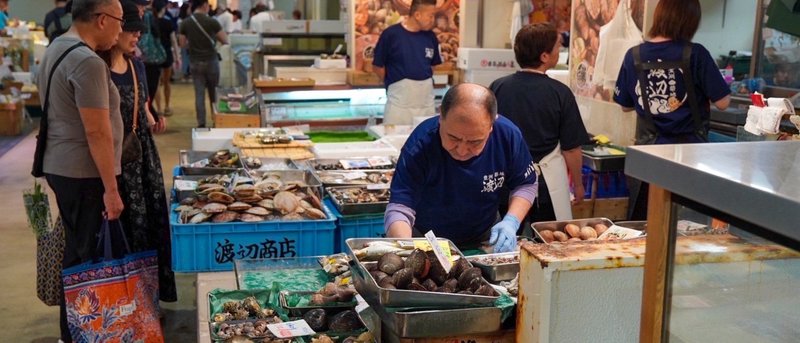
What stayed behind is the Tsukiji Outer Market. It is the district of shops and restaurants that grew up around the old wholesale market. Here you will find seafood sellers, restaurants, tea and dried-food merchants, knife shops, and kitchenware stores. Many still sell to restaurant chefs. They now welcome everyday shoppers and visitors too.
Go to Toyosu if your main goal is the wholesale market itself and the tuna auction.
Go to the Tsukiji Outer Market if you want to eat, shop for food and kitchen tools, and walk narrow market lanes. This is the "Tsukiji market" most food tours mean.
When to go: hours and closed days
The Outer Market's official site splits the day into three parts:
6:00 to 9:00 a.m.: Professional buyers' hours. Chefs and restaurant buyers shop first, and they have priority.
9:00 a.m. to 2:00 p.m.: General shoppers' hours. The official FAQ recommends this window for visitors.
After 2:00 p.m.: Hours vary by shop. Many close in the early afternoon, but some restaurants stay open into the evening.
The market follows the closing calendar of the Tokyo Central Wholesale Market. Closed days are mainly Sundays, national holidays, and some Wednesdays. Check the calendar on the official Tsukiji Outer Market website before you go.
A closed day does not mean everything is shut. According to the official FAQ, about one third of shops, mainly restaurants, open on Sundays and holidays. Most shops close for the New Year until January 4. Many also take about three days off in mid-August.
What to eat at the Tsukiji Outer Market
The market's official guide lists tuna, sushi, and seafood rice bowls alongside ramen, tempura, rice balls, and sweets. These are the tastes most visitors come for:
Tamagoyaki: A sweet or savory Japanese rolled omelet. Tsukiji has dedicated tamagoyaki makers, and some sell bite-size pieces.
Sushi and kaisendon: Kaisendon is a bowl of rice topped with raw seafood. Morning sushi in Tsukiji is a classic.
Grilled seafood and wagyu skewers: Wagyu is Japanese beef known for its marbling. Several stalls grill skewers to order.
Dashi and its ingredients: Dashi is the savory stock behind most Japanese cooking. Shops sell katsuobushi (dried bonito flakes) and kombu (kelp) to make it.
Japanese tea and nori: Nori is the dried seaweed used for sushi rolls. Tea and nori shops are good places to buy food souvenirs.
Inside the market, Tsukiji Uogashi is a market building selling fresh seafood, seasonal produce, and other selected foods. Many stalls here sell to professionals. An insider's detail from the official FAQ: the bamboo baskets you see shoppers carrying are a chef's tool. They hold fresh fish on ice without trapping the water.
Tsukiji etiquette: the market's own rules
The Outer Market publishes eight manners for visitors. Following them is the easiest way to be welcome:
No eating while walking. Eat inside the shop, in front of the store, or in a designated eating area. The lanes are narrow, and walking with food bothers other people.
Let professionals go first before 9 a.m. If buyers are moving between shops, stay out of their way.
Leave large bags behind. Use a coin locker. Plat Tsukiji, the market's information center, has lockers and keeps strollers for 500 yen each.
Move in small groups, and hold children's hands in the crowds.
Ask before taking photos of a shop. Some shops post no-photo signs.
Do not touch the food, especially raw seafood. Ask the shop staff instead.
Do not bargain. Prices are set, and haggling is not a custom in Tsukiji.
Smoke only in designated areas.
Two more practical points. First, bring cash. Some shops take credit cards and some do not, so ask before you order. Plat Tsukiji has a Seven Bank ATM and a currency exchange machine. Second, watch for traffic. Bicycles, scooters, and small motorized carts called "turret trucks" still use the lanes.
How to get to Tsukiji
Tsukijishijo Station (Toei Oedo Line): about a 1-minute walk.
Tsukiji Station (Tokyo Metro Hibiya Line): about a 1-minute walk.
Higashi-ginza Station (Toei Asakusa Line and Tokyo Metro Hibiya Line): about a 3-minute walk.
From Tokyo Station by bus: Toei buses 都04, 都05-1, and 都05-2 leave from the Marunouchi South Exit. Get off at Tsukiji-Sanchome.
Start at Plat Tsukiji if it is your first visit. English-speaking staff hand out maps there. It opens 8:00 a.m. to 2:00 p.m. on weekdays and Saturdays, and 10:00 a.m. to 2:00 p.m. on Sundays, holidays, and market closed days.
Alva Japan Tours' Tsukiji tours
You can explore the Outer Market alone. A guide helps if you cannot read the signs, want context for what you eat, or prefer a set route through the crowds. Alva Japan Tours runs three Tsukiji experiences. All of them meet in Tsukiji and follow the market's manners, such as eating at the shop rather than while walking.
Tsukiji Outer Market Food Tour with 5 Tastings: Price: ¥7,000 per adult (ages 13 and over), ¥5,500 per child (ages 2 to 12). Length: 1 hour. Group: up to 8. Included: a wagyu beef skewer, tamagoyaki, a Japanese tea sampling, black beans and peanuts, and a dashi tasting, with an English- or Japanese-speaking local guide. Rated 4.7 by 19 guests (as of November 2026). A short first taste of the market. Your guide also suggests where to go next on your own.
Tsukiji Sake Tasting with 4 Sakes & Sake-Steamed Scallops: Price: ¥7,500 per adult. Length: 1 hour. Group: up to 12. Included: four contrasting sakes, including one premium selection, paired with sake-steamed baby scallops, led by a bilingual guide. You learn how to read a sake label, and you can bring food you bought in the market to find your own pairing. It is mostly indoors and normally runs in rain.
Private Tsukiji Market Food Tour with Sake Tasting: Price: ¥10,000 per adult. Length: 2 hours. Group: your own party of up to 8. Included: the same five market tastings, then four sake tastings with sake-steamed baby scallops. The tour starts at Tsukiji Hongwanji, a Buddhist temple across from the market with an unusual Indian-inspired main hall completed in 1934.
Alcohol is served only to guests aged 20 or older. Start times are shown on each tour's booking calendar. Shops can change with market holidays and stock. To compare all three, see our Tsukiji tours page. For food tours across Tokyo, browse food and drink experiences.
Frequently asked questions
Is Tsukiji Market still open?
Yes. The wholesale market and tuna auctions moved to Toyosu in October 2018, but the Tsukiji Outer Market's shops and restaurants are still open.
What time should I visit Tsukiji?
Between 9:00 a.m. and 2:00 p.m. on a day the market is open. Before 9 a.m. the market prioritizes professional buyers, and many shops close in the early afternoon.
Is Tsukiji open on Sundays?
Sunday is a regular closed day, but about a third of shops, mostly restaurants, still open. For the full experience, go Monday to Saturday and check the official calendar for closed Wednesdays and holidays.
Can I eat while walking in Tsukiji?
No. The market asks visitors to eat inside the shop, in front of the store, or in a designated eating area.